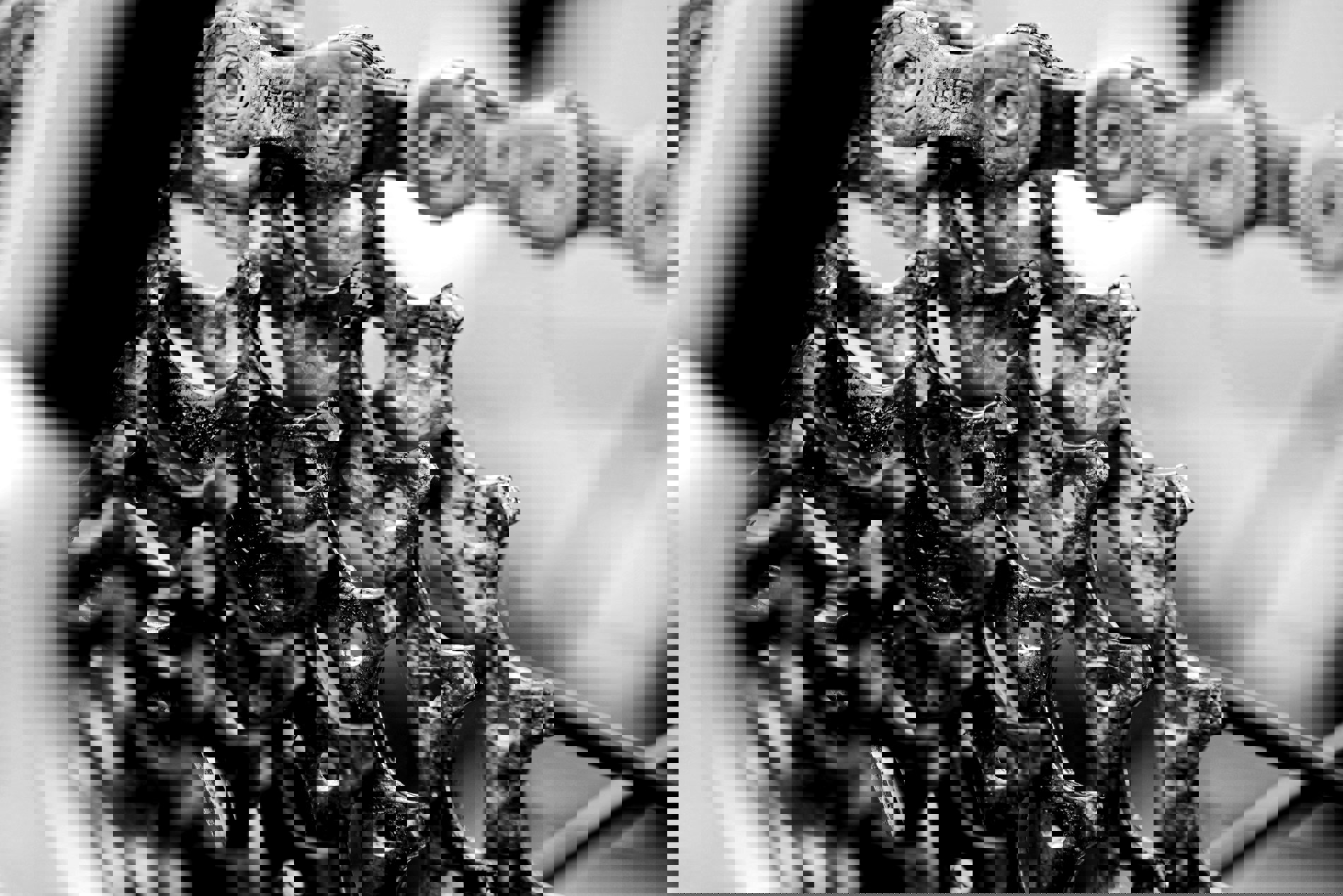
Bike Chain Wax vs Oil: How to Wax a Chain and Keep Your Drivetrain Clean
Learn how to wax a bike chain, compare chain wax vs oil, and understand hot waxing, drip wax maintenance, and the best options for a cleaner drivetrain.
Simon | March 10 2026If you ride regularly, your choice of chain lubrication has a direct effect on drivetrain wear, cleanliness, noise, and maintenance time. A clean, well-lubricated chain shifts better, runs quieter, and helps protect expensive parts such as your cassette and chainrings. Shimano notes that oil-based wet lubes can run quietly, but they also need more frequent cleaning because dirt and contaminants stick to them.
That is why more riders have moved toward wax-based chain lubrication. Instead of staying wet and tacky, wax dries into a film that helps keep grit from sticking to the chain. Modern wax systems now come in two practical formats: hot wax for maximum cleanliness and durability, and drip wax for easy at-home top-ups. CeramicSpeed’s UFO range is built around exactly that idea, with drip products for simple reapplication and Ultra Endurance WAX for long-lasting hot waxing at home.
In this guide, we break down bike chain wax vs oil lubricant, explain how to hot wax a chain, cover the benefits and negatives of waxing, and show how maintaining a waxed chain with modern drip waxes makes the whole process far easier than many riders expect. We also explain why products such as CeramicSpeed UFO Ultra Endurance WAX help make home waxing simple, and why Port Velo Cycle Works offers several chain-care and waxing routes for riders who want either DIY products or workshop support. Port Velo’s site includes a Cleaning & Lubrication category, workshop services including Drivetrain Deep Clean, and direct contact options for riders who want advice on the right setup. Your chain is one of the hardest-working parts of your bike. It transfers every watt you produce while sitting directly in the firing line of water, grit, dust, and road salt. SRAM’s maintenance guidance advises cleaning grit and grime from the chain and then relubricating after drying, because contamination is one of the key causes of poor drivetrain performance. Once dirt mixes with lubricant, it can behave like an abrasive paste. That speeds up chain wear and accelerates wear on the cassette and chainrings. SRAM also notes that chains, cassettes, and chainrings wear together over time, which is why staying ahead of chain wear is so important if you want to avoid replacing more of the drivetrain than necessary. In practical workshop terms, riders usually notice the same warning signs first: more drivetrain noise, less crisp shifting, black grime building up around the jockey wheels, and an oily chain that seems to get dirty again almost immediately. That is one reason wax has become so popular. Instead of inviting contamination to cling to the chain, wax aims to keep the system dry, cleaner, and easier to manage over time. Shimano’s own guidance highlights that wet lubes tend to need more frequent cleaning because dirt sticks to them. Traditional oil lubes penetrate well and are quick to apply, but they stay wet. That helps in very wet conditions, yet it also means dirt and dust tend to cling to the chain. Shimano explicitly describes that trade-off with wet lube: quieter running, but more frequent cleaning because contaminants stick to the oil-based lubricant. Wax works differently. Whether it is a hot-melt wax or a drip-applied liquid wax that dries, the goal is the same: leave a dry protective coating on the chain rather than a wet surface. CeramicSpeed describes its UFO DRIP range as high-performance liquid wax chain lubricants that form a clean, durable wax coating and deliver reduced friction and long-lasting protection. For many riders, the real decision is not “wax or oil forever?” but rather which system best matches your riding and maintenance habits. If you ride road, gravel, mixed-weather endurance miles, or simply hate black drivetrain grime, wax usually has a strong case. If you ride through constant winter rain, salted roads, or prolonged mud, oil or wet-condition top-ups can still be the sensible tool for the job. A quick visual guide comparing chain wax and lubricants for bike chains. It highlights four key points to help you decide the best maintenance approach. The biggest benefit of chain waxing is cleanliness. A properly waxed chain stays dramatically cleaner than a typical oil-lubed chain because the outer surface is dry rather than sticky. CeramicSpeed’s UFO DRIP line is built around this principle, describing a clean, durable wax coating for the chain. That cleanliness matters because less grime on the chain usually means less grime migrating onto the cassette, chainrings, and pulley wheels. In day-to-day riding, that translates into less wipe-down time, less degreaser, and fewer heavy drivetrain cleaning sessions. Port Velo’s own maintenance content emphasises keeping the drivetrain clean and lubricated to improve lifespan and performance, while its workshop menu includes a dedicated Drivetrain Deep Clean for bikes that need a reset. Waxing also tends to make the bike more pleasant to live with. The chain is less likely to leave marks on your leg, car boot, wall, or workstand. For home mechanics, that alone is a major upgrade. And for performance-focused riders, the attraction is even stronger: low-friction wax systems aim to preserve drivetrain efficiency while keeping contamination under control. CeramicSpeed positions both UFO DRIP and UFO Ultra Endurance WAX around that combination of cleanliness, durability, and efficiency. Hot waxing means removing the chain, thoroughly stripping out old oil and factory grease, and then immersing the clean chain in melted chain wax. Once the wax penetrates the rollers and solidifies, the chain runs with a dry internal lubricant rather than a wet external one. CeramicSpeed’s UFO Ultra Endurance WAX is a hot-melt system specifically designed for long-lasting performance, with documented single-application distances of 500–1000+ km in clean conditions and 500–750+ km in mixed conditions. That kind of durability is a major reason hot waxing has such a loyal following. Riders who do big training weeks, endurance events, long gravel rides, or simply want the cleanest possible drivetrain often see hot wax as the gold standard. CeramicSpeed also says Ultra Endurance WAX can be complemented with UFO DRIP All Conditions or UFO DRIP Wet Conditions between hot-wax immersions, which is a useful sign of how the modern approach has evolved: hot wax for the baseline, drip wax for convenience. The old criticism of hot waxing was that it sounded like workshop nerd territory. Modern products have changed that. CeramicSpeed specifically highlights that UFO Ultra Endurance WAX can be heated directly in its heat-safe cylinder packaging in a water bath, and that the kit includes 400g of wax pellets and a molded chain hanger to simplify home use. In other words, the process is still more involved than squeezing lube from a bottle, but it is much less intimidating than many riders think. Hot waxing’s biggest strength is that it gives the cleanest and longest-lasting wax foundation. Because the chain is fully prepared first, the lubricant is not fighting leftover oil contamination. That usually means quieter running, lower mess, and very consistent performance between services. CeramicSpeed’s published guidance and product positioning for Ultra Endurance WAX emphasise long-lasting clean performance and category-leading longevity for hot-melt wax. A second major advantage is maintenance rhythm. Once a chain is properly hot waxed, routine care often becomes simple. You wipe off surface dust, monitor sound and feel, and use a compatible drip wax when needed rather than restarting from scratch every time. CeramicSpeed’s own recommendations support this hybrid system by pairing hot wax with UFO DRIP products between full hot-wax immersions. Finally, hot waxing is especially appealing for riders who want a drivetrain that stays presentable. If you transport the bike inside a car, store it indoors, or just dislike degreaser-heavy maintenance, hot wax is often the cleanest long-term solution. That practical, real-world cleanliness is one of the reasons so many riders stick with it once they start. Hot waxing is not magic, and it is not ideal for every rider. The main drawback is the initial setup. You need to remove the chain, strip away factory grease or old lubricant, and start with a properly clean chain. If that prep is rushed, results suffer. The second drawback is that hot waxing is less convenient for last-minute riders. If you realise the night before a ride that your chain needs attention, a bottle of oil is still the quickest emergency fix. Wax systems reward a little planning. They are easy once your routine is established, but they are not as forgiving of rushed prep or random product mixing. Even third-party workshop guidance commonly warns against mixing oil and wax because it creates a dirty paste and undermines the whole point of the wax system. The final limitation is weather. Wax performs brilliantly in many conditions, but prolonged wet, salty, or muddy riding can shorten intervals and require more attentive maintenance. CeramicSpeed’s own chain-care tips say that after wet rides and especially after wet salty roads, the chain should be cleaned and either re-treated with Ultra Endurance WAX or protected with two layers of UFO DRIP Wet Conditions. Remove the chain Strip factory grease or old oil completely Dry the chain thoroughly Heat the wax Immerse the chain Remove and hang Reinstall Ride, then maintain with drip wax This is the section many riders miss, and it is the reason waxing is now far more approachable than it used to be. You do not need to hot wax after every few rides. In a modern system, the hot wax creates the clean base, then drip wax handles routine maintenance. CeramicSpeed’s UFO DRIP All Conditions application is simple: shake the bottle, apply the coating while rotating the chain slowly, coat the chain twice, apply to the inside span as well, rotate the cranks for 30 to 60 seconds for penetration, and let it dry overnight for best durability and cleanliness. A proper application is stated to last 300 km / 180 miles in generally dry and clean conditions. For standard reapplication, CeramicSpeed says to wipe off surface dust and apply the coating along the chain links above the cassette twice. That is exactly why modern waxing products have changed the game. You can run a hot-waxed chain as your primary setup, then use a drip wax top-up at home without stripping the whole bike apart. For a lot of riders, that removes the “too much faff” objection entirely. The routine becomes: wipe, apply, dry, ride. For wet rides, caution is required. After wet riding, especially if the drivetrain has been contaminated or the bike has been washed, it is advisable to do a full clean and fresh reapplication. After rainy rides, and especially in wet salty conditions, the chain should be cleaned and then either re-treated with Ultra Endurance WAX or equivalent and protected with two layers of UFO DRIP Wet Conditions. The strongest argument for UFO Ultra Endurance WAX is not just that it is fast or durable. It is that CeramicSpeed has clearly tried to remove the intimidation from hot waxing. The wax kit includes 400g of wax pellets, a molded chain hanger, and heat-safe cylinder packaging so the wax can be heated directly in a water bath. That is a much friendlier setup than the old image of home waxing involving improvised equipment and trial-and-error. CeramicSpeed also positions the product around durability in real riding, not just lab claims. Its published figures state 500–1000+ km in clean conditions and 500–750+ km in mixed conditions from a single application, and the brand highlights that the product was validated through lab and field testing. For everyday riders, the practical takeaway is simple: you can now build a waxing routine around one hot-wax base and easy drip top-ups, using products that were designed to work together. That is a very different proposition from the older all-or-nothing view of chain waxing. Wax is excellent for many riders, but it is not the only valid answer. If your riding is dominated by persistent heavy rain, winter road salt, and muddy off-road conditions, a wet lubricant or a wet-condition wax top-up may still be the more practical solution. Shimano’s maintenance guidance already acknowledges that wet lube runs quietly but collects contaminants more readily, which is the central compromise. CeramicSpeed’s own instructions show the same real-world nuance. Its guidance for contaminated drivetrains and repeated wet rides is to clean and reapply, and its chain-care page specifically recommends extra attention after rain and salty roads, including using UFO DRIP Wet Conditions when appropriate. So the honest answer is this: if you mostly ride dry, mixed, or fair-weather UK miles, wax is often the cleaner and more appealing long-term choice. If you spend months riding in road spray, winter grit, and nonstop wet conditions, you need to be realistic about maintenance intervals and corrosion protection. The right system is the one you will maintain properly. The most common mistake is starting with a chain that is not truly clean. Wax will not perform properly over leftover oil or greasy factory residue. All instructions consistently specify a fully clean and dry chain for first use, and third-party maintenance guidance also warns that mixing oil and wax can create the exact dirty paste riders are trying to avoid. Another common error is not giving drip wax enough time to dry. It is recommended to dry overnight for best durability and clean performance. Riding immediately after application reduces the benefit and can leave the chain feeling under-lubricated. The last big mistake is assuming a waxed chain needs no maintenance at all. Wax lowers mess, but it does not remove the need for inspection. Wipe the chain, listen for increased noise, monitor riding conditions, and refresh the system before it becomes dry and noisy. SRAM also recommends checking chain wear regularly with an approved tool and replacing the chain before wear damages the rest of the drivetrain. At Port Velo Cycle Works, the goal is not to push every rider into one system. It is to help you find the lubrication routine that fits your riding, your weather, and how hands-on you want to be. The site already offers a Cleaning & Lubrication section for home mechanics, workshop services including Drivetrain Deep Clean, and a direct Contact page for advice. That means there are several practical routes available. Some riders want a straightforward drip-wax setup they can apply at home. Some want to go fully into hot waxing for the cleanest and longest-lasting result. Others want a workshop reset first, then a simple maintenance plan they can keep up themselves. Port Velo’s service menu and contact details make that support structure clear, whether you want products, a drivetrain clean, or help choosing the right waxing routine. If you are unsure where to start, get in touch with Port Velo Cycle Works to discuss the best option for your bike, mileage, and riding conditions. The workshop’s contact page lists the Portbury location, phone number, and email, making it easy to ask about the right chain-care approach before you buy or book. Hot waxing usually gives the cleanest base and the longest interval between full treatments, while drip wax is easier for routine home maintenance. Modern systems work best when the two are used together rather than treated as rivals. Yes, for a proper wax setup you should start with a fully clean and dry chain. CeramicSpeed’s first-application instructions are clear on that point. CeramicSpeed states that a proper UFO DRIP All Conditions application lasts about 300 km / 180 miles in generally dry and clean conditions. CeramicSpeed says Ultra Endurance WAX has documented single-application distances of 500–1000+ km in clean conditions and 500–750+ km in mixed conditions. Yes. CeramicSpeed specifically says its Ultra Endurance WAX can be complemented with UFO DRIP All Conditions or Wet Conditions between hot-wax immersions. If the ride was wet, contaminated, or on salty roads, clean and dry the chain, then re-treat it with the appropriate wax product. Yes, especially for prolonged wet and muddy riding. The trade-off is that oil attracts more contamination and usually needs more frequent cleaning. The real question is no longer whether chain waxing is too complicated for normal riders. With modern products, it is not. Hot waxing gives you the cleanest, longest-lasting baseline. Drip wax makes routine upkeep easy. And systems such as CeramicSpeed UFO Ultra Endurance WAX plus UFO DRIP show exactly how straightforward that combination can be at home. This hybrid approach, pairing long-lasting hot wax with simple drip-wax maintenance between full immersions is highly recommended. For many riders, wax now offers the best balance of cleanliness, efficiency, and reduced drivetrain mess. It is not perfect in every weather condition, and it still rewards proper prep, but it is far easier and more practical than the old myths suggest. At Port Velo Cycle Works, we offer several waxing options and chain-care routes, from home-use maintenance products to workshop drivetrain cleaning and direct advice on what setup makes the most sense for your riding. If you want to discuss hot waxing, drip-wax maintenance, or the best option for your bike, get in touch with Port Velo and we will help you choose the right approach.Key Takeaways
Question Riders Ask Short Answer Is chain wax better than chain oil? For many riders, yes. Wax runs cleaner and helps reduce contamination-related wear. What is the difference between hot wax and drip wax? Hot wax usually lasts longer and runs cleaner; drip wax is easier for routine home maintenance. Is hot waxing difficult? Not nearly as much as it used to be. Modern kits such as UFO Ultra Endurance WAX are designed to simplify the process at home. Do I still need drip wax if I hot wax? Yes, often. CeramicSpeed specifically recommends complementing hot wax with UFO DRIP products between hot-wax immersions. Is oil still useful? Yes. In persistent rain, mud, and salty winter conditions, oil or wet-condition wax products can still make sense. Can Port Velo help? Yes. Port Velo offers chain-care products, workshop drivetrain cleaning, service booking, and direct contact for advice. Why Chain Maintenance Matters More Than Most Riders Think
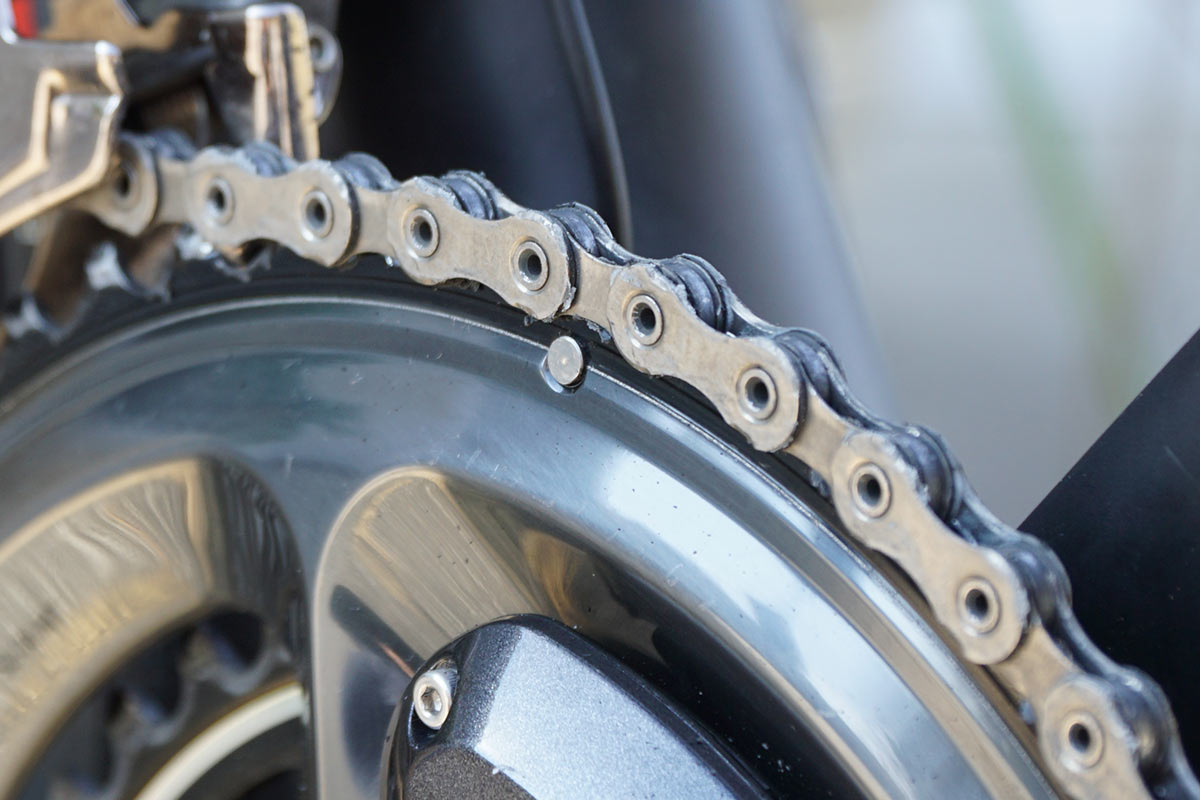
Bike Chain Wax vs Oil Lubricant: The Simple Comparison
Feature Wax Lubricant Oil Lubricant Cleanliness Dry finish, attracts less dirt Wet finish, tends to collect grime Wear control Strong when contamination is kept low Good initially, but contamination can build faster Maintenance style Initial prep matters; routine upkeep is simple Easy to start, but deeper cleaning is needed more often Best for Riders who value cleanliness and efficiency Riders in prolonged wet or muddy conditions Feel on the bike Quiet, smooth, low-mess Smooth, but often messier over time The Real Benefits of Waxing a Bike Chain
Hot Waxing a Bike Chain: What It Is and Why Riders Rate It So Highly
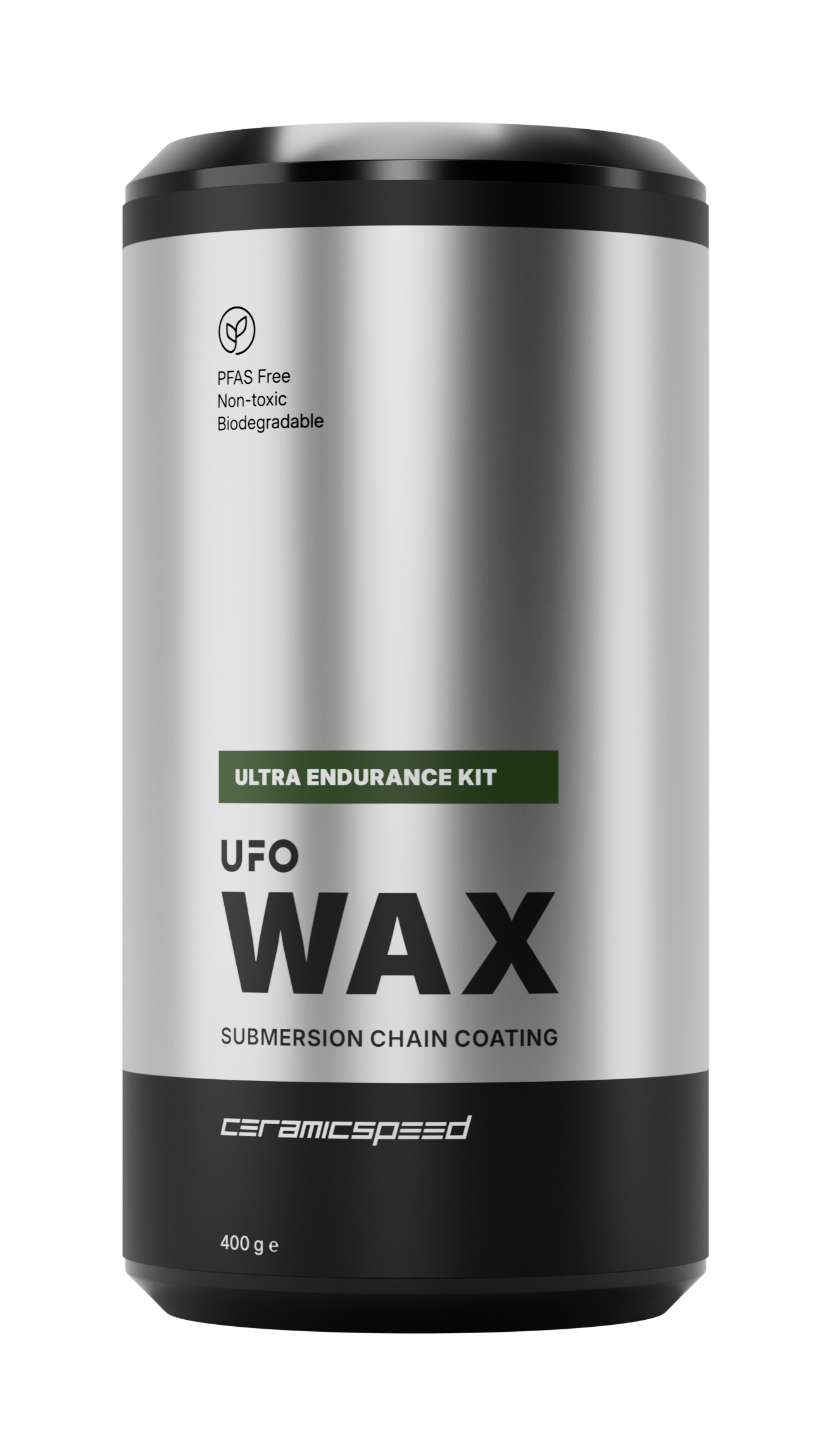
Benefits of Hot Waxing a Bike Chain
Negatives of Hot Waxing a Bike Chain
How to Hot Wax a Bike Chain at Home: Step by Step
If your chain uses a quick link, removal is straightforward. If not, use the appropriate chain tool. Check whether your chain manufacturer requires a fresh quick link on reinstallation; SRAM, for example, says its PowerLock should be replaced any time you disconnect it.
This is the most important step. The goal is a chain that is fully clean and fully dry before it ever touches wax. Any leftover oil reduces how well the wax bonds and can make the chain run dirtier than it should. CeramicSpeed’s first-application instructions begin with a clean, dry chain for its wax systems.
No moisture, no solvent residue, no shortcuts. A clean chain still needs to be dry before waxing.
With UFO Ultra Endurance WAX, CeramicSpeed says the wax can be heated directly in its heat-safe cylinder packaging in a water bath, or the pellets can be melted in a dedicated wax heater. The supplied chain hanger is there to make handling easier.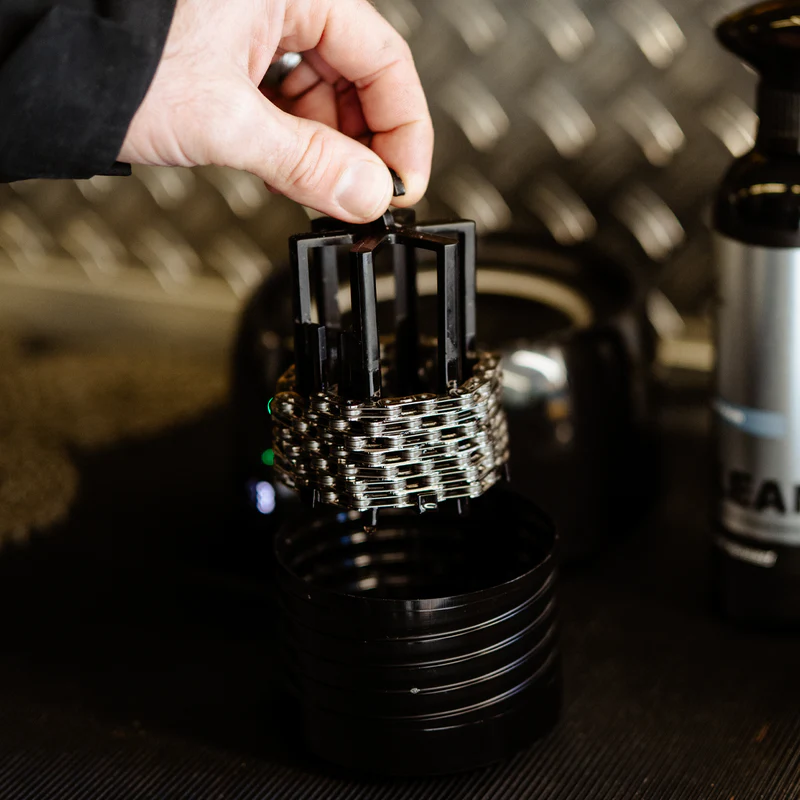
Lower the clean chain into the melted wax and let it sit long enough for the wax to penetrate the rollers and internals.
Lift the chain out using the hanger, allow excess wax to drip away, and let the chain cool and harden.
Once the wax has set, reinstall the chain. It will feel dry and slightly stiff at first; that is normal. A few pedal strokes and the first few minutes of riding usually free it up.How to Maintain a Hot-Waxed Chain Using Modern Drip Waxes
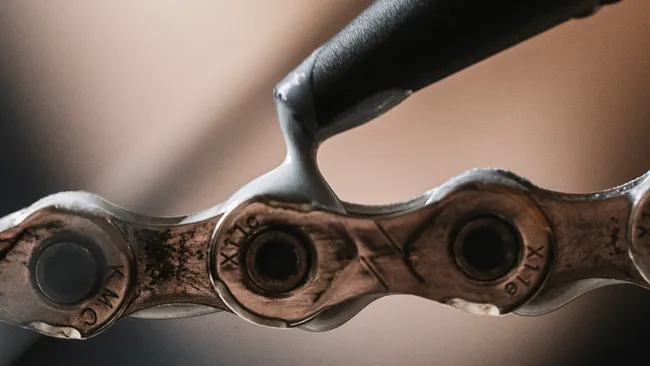
CeramicSpeed UFO Ultra Endurance WAX: Why It Makes Hot Waxing Simpler at Home
When Oil Lubricant Still Makes Sense
Common Mistakes When Switching to Wax
Port Velo’s Waxing Options and How We Help Riders Choose the Right Setup
Frequently Asked Questions
Is hot waxing better than drip wax?
Do I need to remove factory grease before waxing a new chain?
How long does UFO DRIP last?
How long does UFO Ultra Endurance WAX last?
Can I use drip wax to maintain a hot-waxed chain?
What should I do after a wet ride on a waxed chain?
Is chain oil still worth using?
Conclusion